Nica


March 6, 2011

Central America is definitely not a bunch of uniform countries. Though they share common language, cuisine and climate, what is different is the history and local emotions. We have felt this since entering our new country, i.e. Nicaragua (Nica).

At the border, on the Nica side we saw platoons of marching, armed soldiers, numerous symbols of Sandinistas (FSDN) along with their red and black flag (often appearing next to the official flag of Nica) and generally a bit of nervousness in the air. This is quite a contrast with the peace-loving, Pura Vida Costa Rica.

A swarm of “helpers” attacked us as we were leaving the bus at the border. They were offering all kinds of services ranging from currency exchange (local currency is Cordoba; 20 NIC = $1), assistance with filling out the border crossing paperwork along with the form (I did not fall for that trick and found my way to the immigration officer to get empty forms), luggage carriers and taxi drivers.

IMG_1056IMG_1061

Instead of waiting for a bus to take us to our next destination, Rivas, we grabbed one of the taxis after negotiating the price. Taking a taxi was inevitable since there is no bus connection between Rivas and San Jorge, from where you can take a ferry to Ometepe Island.

“Pirate” taxis as quite cheap here, though you need to negotiate hard. In Costa Rica I paid around USD 18 for riding a 40km stretch in taxi (bus for the family would cost USD 9) in a very touristy place. In Nica it was even better, $12 for around 50km. Obviously, being on a shoestring budget we tavel mostly by bus. Sometimes, though, it is more convenient to pay a bit more and be more comfortable, especially when travelling with heavy luggage. There is one more benefit for me when taking a cab, a conversation in Spanish throughout the whole trip.

The transportation to the beautiful, volcanic island of Ometepe in the middle of the huge Lake Nikaragua (aka Colciboca) is an experience in itself. We chose a slightly more expensive and quiter option, i.e. a ferry. A more exciting version is taking a fast boat, lancha, on which you can be sure to get wet on rough lake waters. Back to the ferry crossing, the onboard entertainment are bloody, B-class, US movies, the experience, which is heavily commented on the web. Who would be interested in watching those? Maybe it is another sign of the war-like spirit of the locals.

IMG_1729IMG_1730

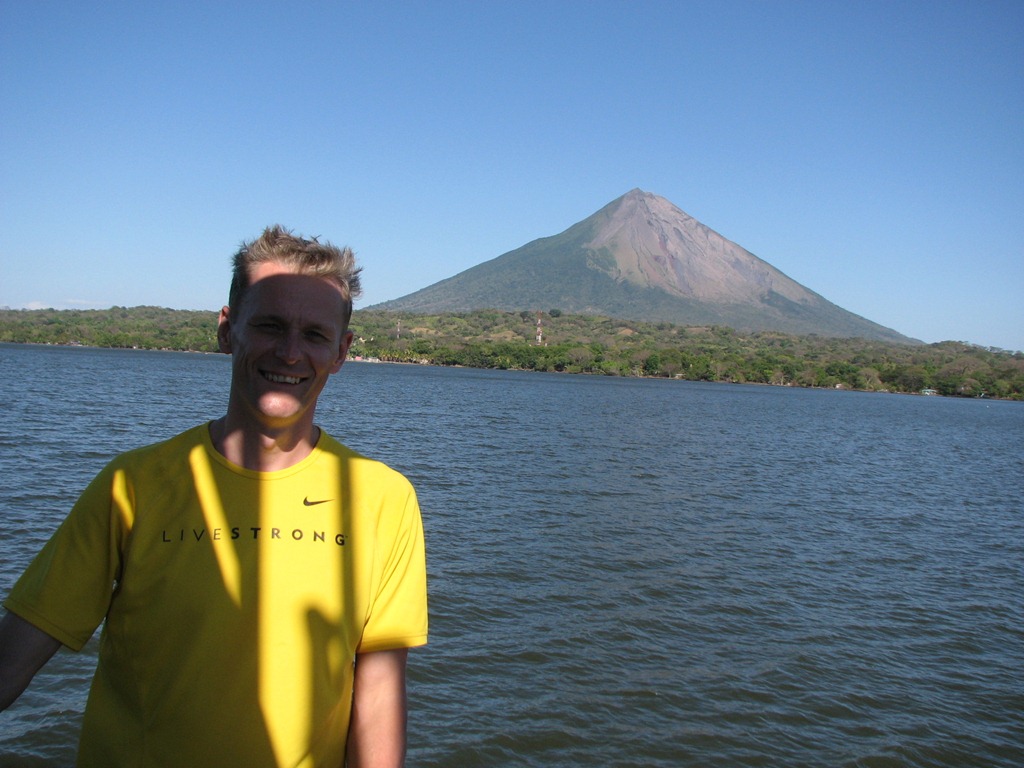
After reaching Ometepe, we stopped for 4 days in a beautiful spot called Hospedaje Soma in Moyogalpa, right at the foot of one of the big volcanoes on the island, Concepcion (1620m), which was quite active in April last year. http://www.youtube.com/watch?v=Unwycevd7Vg

The people in Nicaragua surprise us with their open attitude and joy. After years of suffering under the Somoza dictatorship, the Sandino revolution and then counter-revolutionary subversive actions by so-called Contra supported heavily by Ronald Regan, we expected the ghosts of the past to be much more alive here.


To be continued …

Opublikowano English, Nicaragua | Otagowano | 1 komentarz

Simple life

3.03.2011


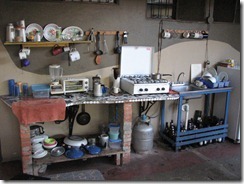
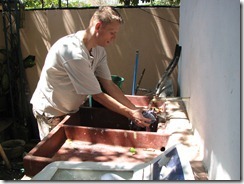
We are staying a few days in Playa del Coco. Our life is simple and nice. We lack many things, which seem indispensable in Poland. Not having a washing machine on hand, Wojtek does manual laundry in a big public basin in cold water. While preparing dinner we use a broken knife, the best we could find here Uśmiech. The kids do the dishes and do their small laundry as well everyday, a chore they would not even consider back home. Just look at the kitchen below and you can imagine the rest.
IMG_1145_thumbIMG_1522_thumb

It is amazingly hot during their winter. We get up before 6 am to get some fresh air. This is our time for jogging, yoga and peaceful greeting of the day. The kids wake up at 8 am and we have a lazy breakfast, mostly fruits, which is extremely delicious here. Juicy and sweet pieces of pineapple, cold watermelon, melon, papaya. Homeschooling begins at 9am and continues until 12:30 pm. After lunch there is a short siesta and then we go to experience a bit of Pura Vida on the beach.

Wojtus i Ania made a few friends here. Everyday they play with the local kids on the only white beach in the neighborhood. Someone said that socializing is a big problem for homeschooled kids. Well, we do not have that problem. Wojtus learns a few words in Spanish and in exchange teaches the boys a few English words. Even though they cannot communicate they understand one another very well.

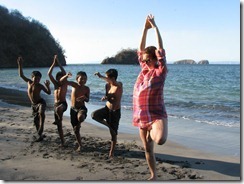
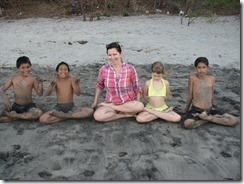
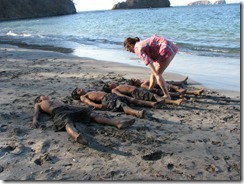
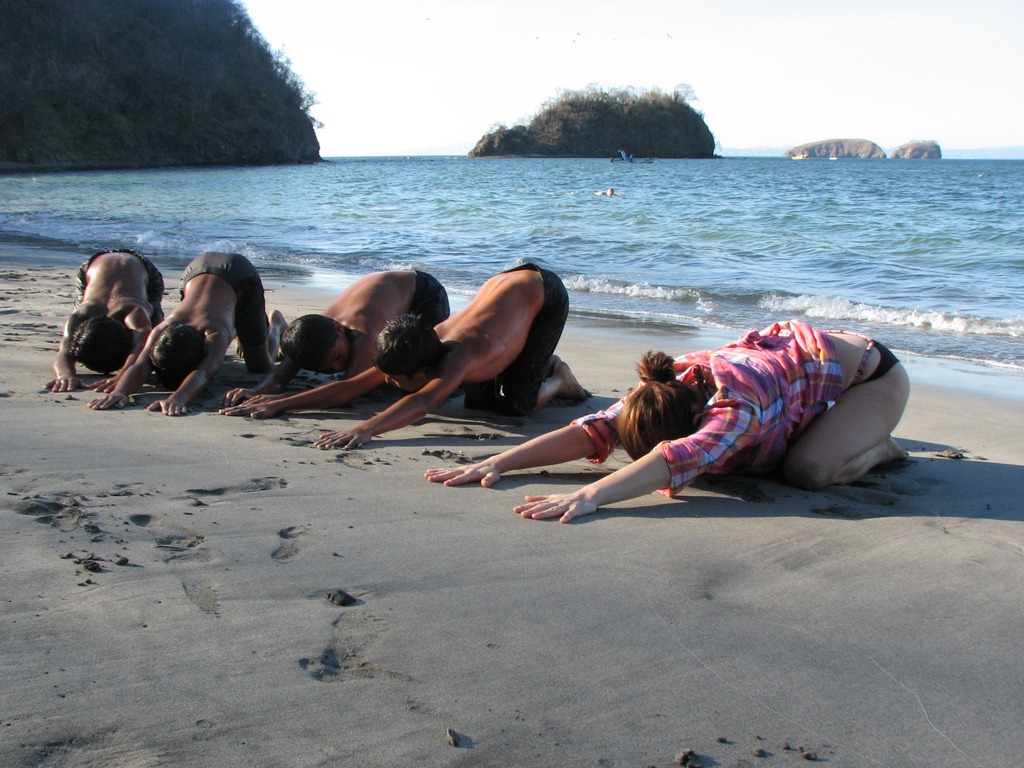
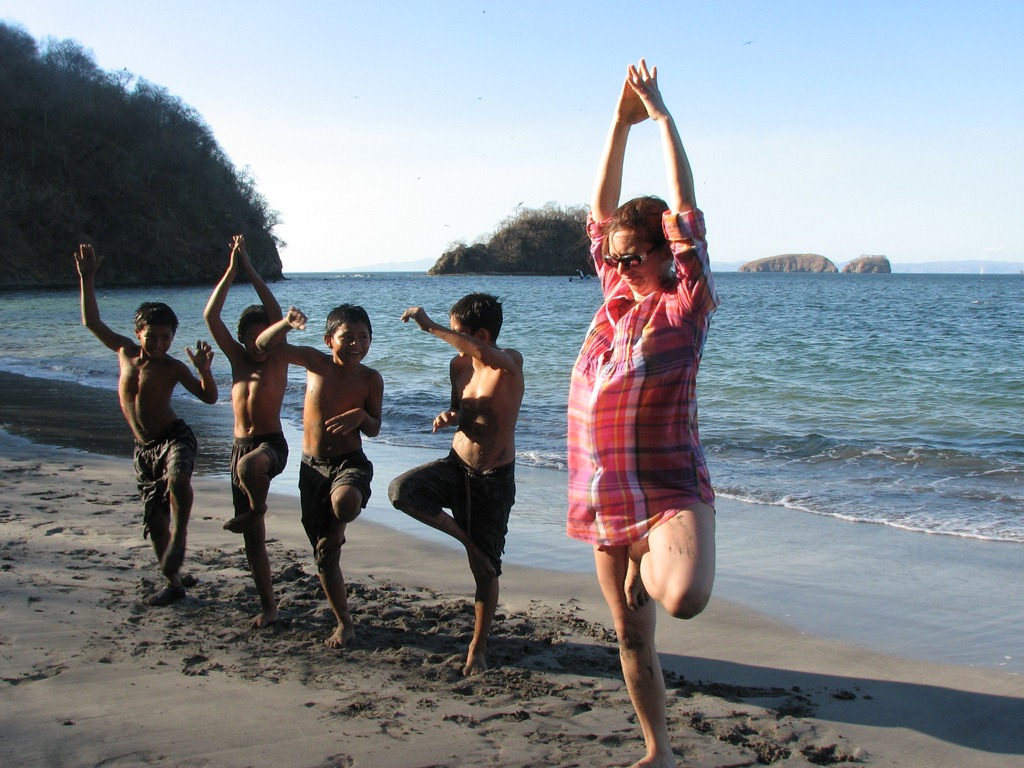
We also made friends with the local kids. Wojtek teaches them Spanish tounge twisters, makes different games, tells interesting stories. I do yoga with them. One day the kids saw me making a few yoga poses and started imitating me. We have a lot of fun and laughter. Just have a look.

IMG_1690_thumbIMG_1695_thumb

IMG_1709_thumbIMG_1699_thumb

It gets dark at around 6 pm. We all go back home, prepare dinner, talk a little and go to bed. There is bed time reading “Awantura o Basie”, which puts our kids to sleep very quickly. Back home, we hardly found time for this. It was either late, or we were tired. There was always an excuse not to do it. Here there is no tv, no computer games. The kids get all kinds of stimulating experiences.

Opublikowano Costa Rica, English, Pura Vida | Otagowano , | Dodaj komentarz

Proste życie

3.03.2011

W Playa Del Coco spędzamy kilka dni. Wiedziemy bardzo proste i fajne życie. Wielu rzeczy tutaj brakuje, bez których w Polsce trudno byłoby sobie poradzić. Nie ma tu łatwo dostępnych pralek, więc Wojtek robi pranie w wielkiej publicznej umywalce w zimnej wodzie. Kolację przygotowujemy połamanym nożem, najlepszym jaki tutaj udało mi się znaleźć :)). Dzieci zmywają po sobie naczynia i piorą bieliznę każdego dnia. W domu – nie do pomyślenia! Kiedy zobaczycie jak wygląda kuchnia, sami dopowiecie sobie resztę.

IMG_1145IMG_1522

Tutaj, zimą jest niesamowicie gorąco. Z przyjemnością wstajemy przed 6.00 rano, by poczuć trochę świeżego poranka. To też jest nasz czas, czas na jogging, jogę i spokojne powitanie dnia. Dzieci budzą się około 8.00, jemy leniwie śniadanie – głównie owoce – są tutaj przepyszne. Na talerzu lądują słociutkie kawałki ananasa, chłodny arbuz, melon, papaja. Od 9.00 zaczynamy szkołę (homeschooling). Pracujemy do godziny 12.30. Po lunchu krótka siesta i idziemy na plażę złapać trochę Pura Vida!!

Wojtuś i Ania zaprzyjaźnili się z tutejszymi dziećmi. Od kilku dni codziennie spotykamy się na małej białej plaży, gdzie tarzają się w piachu, grają w piłkę i razem pływają. Wojtuś uczy się hiszpańskich słówek, a w zamian daje chłopcom trochę angielskich. Chociaż nie mogą pogadać rozumieją się doskonale.

My też się zaprzyjaźniliśmy z dziećmi. Wojtek z pasją uczy je hiszpańskich łamisłówek, robi konkursy, opowiada ciekawe historie. Ja codziennie ćwiczę z nimi jogę (któregoś dnia dzieci zauważyły, że robię jakieś ćwiczenie i w jednej chwili otoczyły mnie wianuszkiem naśladując moje ruchy i pokazując co one potrafią). Jest dużo śmiechu i zabawy. Sami zresztą zobaczcie.

IMG_1690IMG_1695 

IMG_1709IMG_1699

Około 18.00 robi się ciemno. Wracamy do domu, przygotowujemy kolację, trochę porozmawiamy i tak nadchodzi pora spania, przynajmniej dla dzieci. Przed snem czytamy książkę, obecnie jest to „Awantura o Basię”. Doskonała lektura, po kilku stronach dzieci ziewają i zasypiają jak aniołki. W domu rzadko był na to czas. Albo za późno, albo zmęczeni. Zawsze było jakieś wytłumaczenie. Tutaj nie oglądamy telewizji, dzieci nie grają na żadnych grach (przynajmniej na razie). Mają dość wrażeń.

Opublikowano Costa Rica, Polish, Pura Vida | Otagowano , | 3 Komentarze

Ciekawostki kostarykańskie

4 marzec, 2011


Jeszcze kilka  ciekawostek z Kostaryki z różnych dziedzin.


Matapalo
Kiedy przeczytałem o tym drzewie w “Costa Rica: Traveler’s Literary Companion”, od razu mnie zaintrygowało.  Nazwa drzewa, Matapalo, nie jest przypadkowa i znaczy, “drzewo morderca” lub “drzewo dusiciel”.  Nasiona tego drzewa z gatunku Ficus, roznoszone są w odchodach ptaków na gałęzie innych drzew, na których zaczynają one rosnąć dosłownie “dusząc” drzewo pierwotne i odcinając je kompletnie od światła. Mimo, że sposób, w jaki te drzewa powstają jest dość okrutny, samo drzewo jest piękne i wygląda jak gigantyczny jasno-zielony parasol. Odkąd o nim przeczytałem, bardzo chciałem je zobaczyć na żywo. Okazało się, że kilka z nich rośnie tuż pod nosem przy drodze na plażę. Jest ono bardzo charakterystyczne.

IMG_1599


Rynsztoki
Są one obecne w każdym mieście, nawet w stolicy. Jest to system odprowadzania ścieków lekkich, wody bieżącej. Po kilku dniach można się przyzwyczaić do tego widoku. Pewnym efektem ubocznym rynsztoków jest to, że samochody nie mogą sobie swobodnie parkować na boku ulicy no in generalnie trzeba jeździć ostroźnie aby w taką dziurę nie wpaść.

IMG_1083

Adresy
W Kostaryce, domyślam się, że całej Ameryce Środkowej też, nie ma adresów, tak jak je znamy z nazwą ulicy, numerem, kodem i itd. Skąd zatem wiadomo jak dotrzeć do danego miejsca? Wskazówki podaje się w odniesieniu do znanego w okolicy punktu. Na przykład “adres” naszego miesjca jest następujący:

de la iglesia 100 mts. noreste
25 mts. sur
Playas Del Coco, Guanacaste

czyli 100 m na pn-wsch od kościoła, następnie 25 m na południe.

Czasami zamiast wschodu i zachodu w adresie używa się słowa, ariba (do góry, dotyczy wschodzącego słońca)  lub abajo (na dół). Odległość w miastach podaję się też często liczbą przecznic (cuadras)

Logiczne pytanie, jakie się nasuwa, “a co dostarczaniem poczty?’”. No cóż, pozostają skrzynki pocztowe. na

Prawo wyborcze dla kobiet
Kobiety w Kostaryce mają bierne, ale nie mają czynnego prawa wyborczego, tzn. mogą być wybierane do parlamentu ale same nie mogą wybierać. Co ciekawe w parlamencie jest ustawowo zagwarantowany równy parytet dla kobiet, 50% mężczyźni, 50% kobiety. To tego wszystkiego Prezydentem Kostaryki jest kobieta. Według mojej rozmówczyni, żony właściciela miejsca, w którym się zatrzymujemy, kobietom w Kostaryce taka sytuacja bardzo odpowiada. Sama zresztą jest z Kostaryki i jest dość aktywna politycznie.


PS Właśnie dotarliśmy do Nikaragui.

Opublikowano Costa Rica, Polish | Otagowano , | 1 komentarz

Some more trivia about Costa Rica

6 March, 2011

Here are a few more interesting things about Costa Rica.

Matapalo
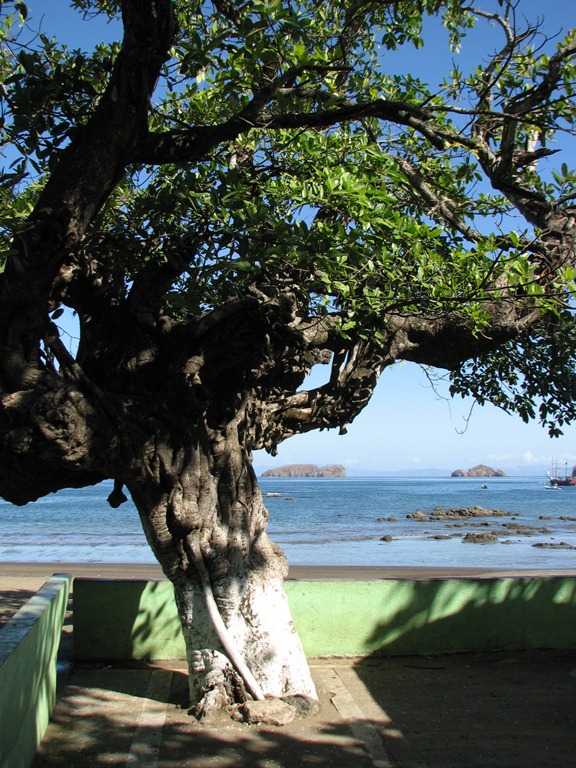
When I read about this tree in “Costa Rica: Traveler’s Literary Companion”. it intrigued me immediately. Its name, Matapalo, is not coincidental and means “killer tree” or “strangler tree”. The seeds of this tree  of Ficus family are diseminated in the birds feces on other trees. They start to  germinate on other trees branches, growing slowly on top of an existing tree and completely  shutting it off from light.  Despite the brutal way in which those trees start their life, they are beautiful and look like a light-green umbrella. Ever since reading about them I wanted badly to see one. And we happened to spot a few of them along the way to beach.

IMG_1599_thumb

Ditches
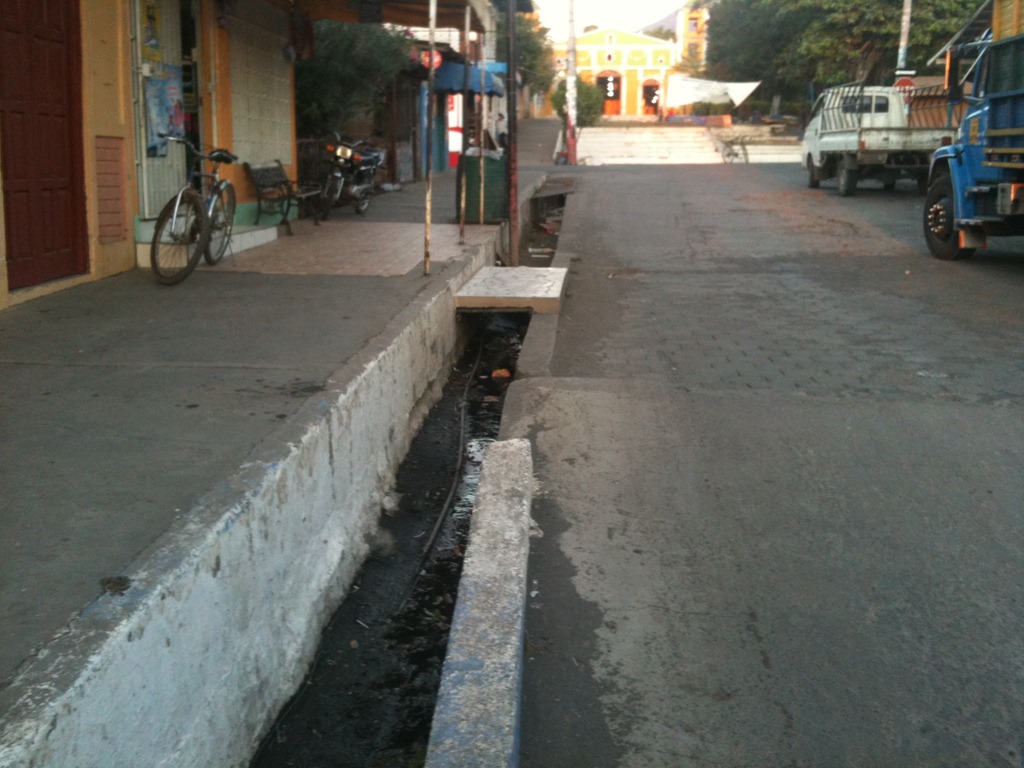
They are everwhere, even the capital. It is a system for light sewage (running water). After a couple of days you can get used to the sight of them. A side effect of ditches is that drivers cannot park cars just anywhere and need to drive carefull not to fall into one.

IMG_1083_thumb

Addresses
In Costa Rica, as in other Central American countries, there are no addressess as we know them with a street name, number, zip code etc. So how to reach a place? An address is given in the form of directions in reference to a well know place. For example our address is the following:

de la iglesia 100 mts. noreste
25 mts. sur
Playas Del Coco, Guanacaste,

i.e. 100 mts north-east from the church, then 25 mts south
Sometimes, instead of east and west, you can find the word ariba (up, which is where the sun goes up) or abajo (down). The distance in cities is also given in the number of blocks (cuadras). So the logical question is “what about mail delivery?”. Well, the main option is having a mailbox.

Women voting rights
The women in Costa Rica can be elected into Parliament yet they cannot vote themselves. What is interesting is a constitutionally guaranteed parity between women and men representation in the Parliament (50%-50%). In addition, the President of Costa Rica is a woman. According to my source, the owner’s wife, a Costa Rican and politically active, women are fine with such an arrangement.

PS We just reached Nicaragua.

Opublikowano Costa Rica, English | Otagowano , | Dodaj komentarz

Soccer connects

March 2, 2011

It started a few days ago during our afternoon siesta after homescholling and daily chores.

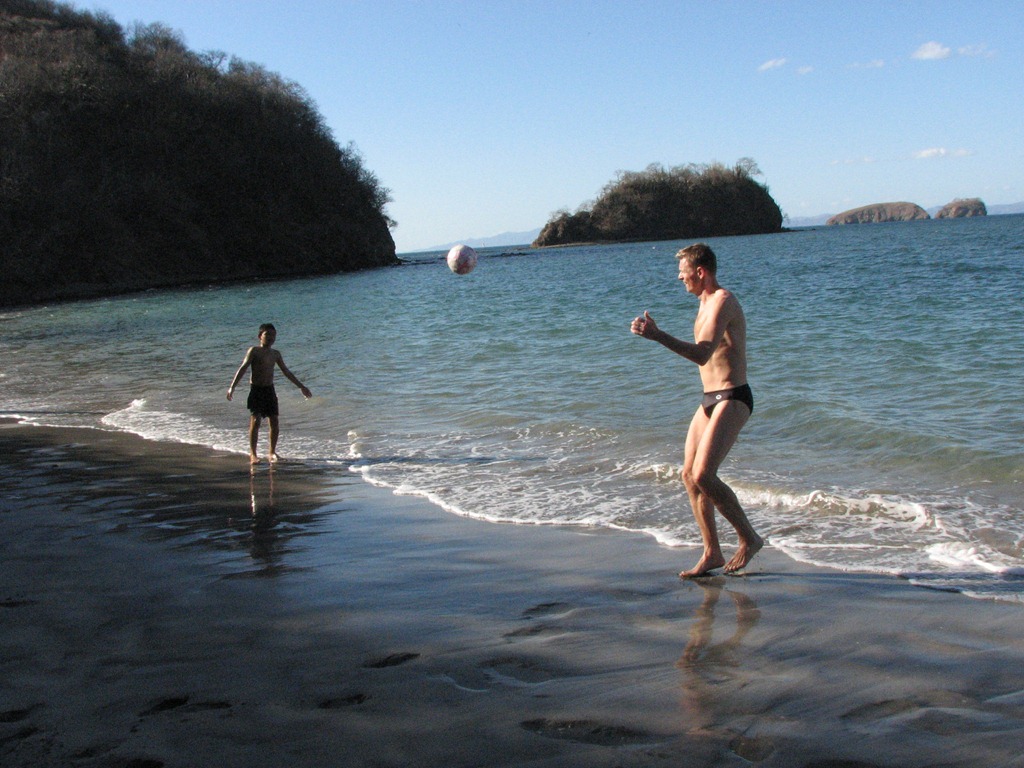
The kids are extremely creative and never get bored. Nevertheless, seeing a few boys playing soccer on the beach Wojtus asked me how to ask them in Spanish “can I play with you?”. Fighting with his shyness and asking for the umpteenth time how to say  it in Spanish he got very close to the boys. Seeing his interest they invited him to play. The rest developed spontaneously.

There is something magic in the soccer’s simplicity that unites people around it. There are countries, though, of which one we will visit soon, where soccer ignited conflict, which was nicely captured by Kapuscinski in “Soccer War”.

IMG_1611_thumb2

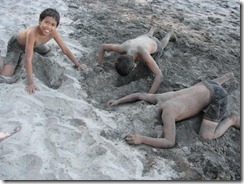
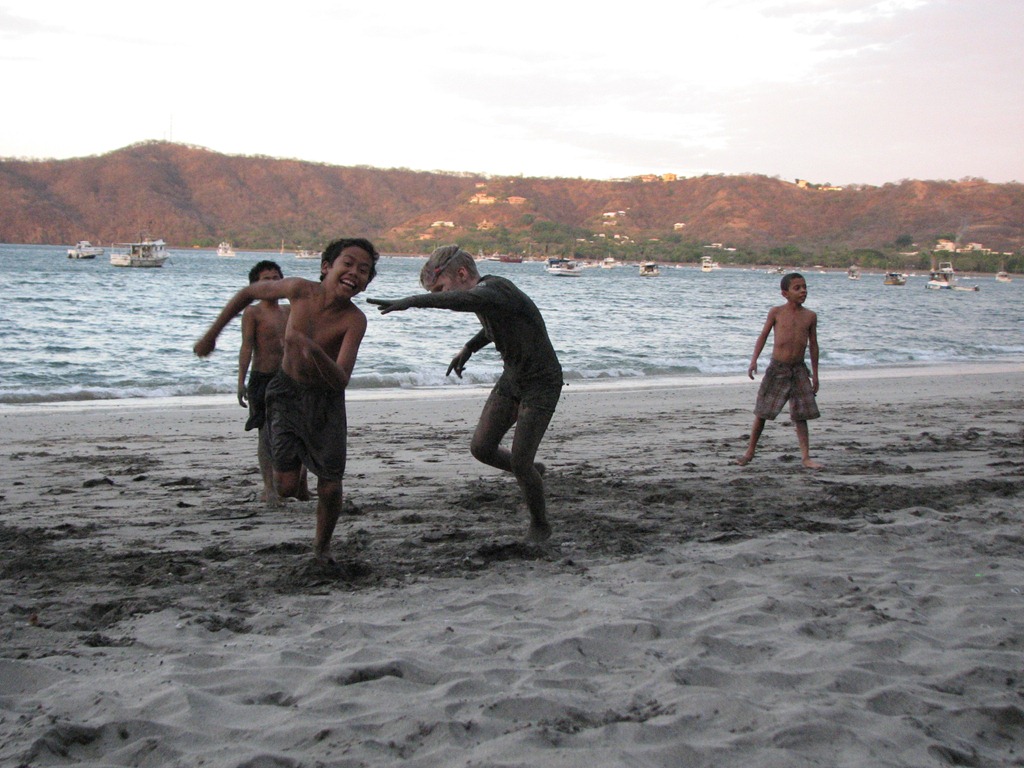
Back to kids, it began with ball kicking and then developed into numerous other plays such as diving in the ocean, shell collecting, sand wars or “diving” in the sand against the clock, etc.

IMG_1509_thumbIMG_1563_thumb

IMG_1619_thumbIMG_1664_thumb

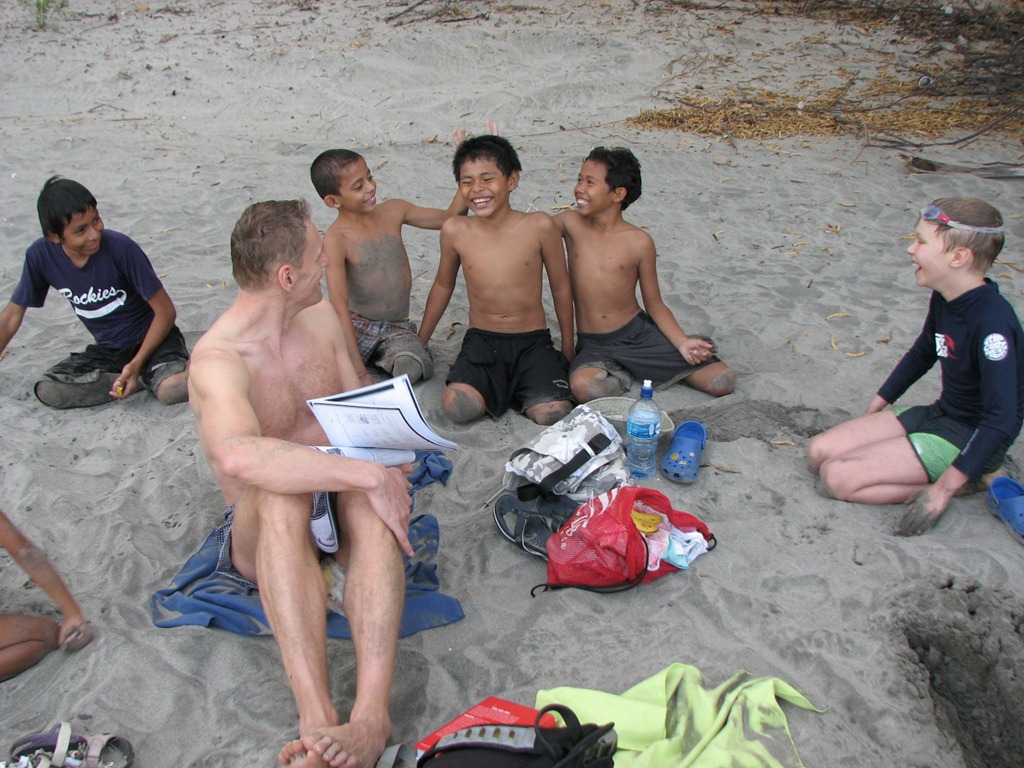
I gladly joined this kids integration helping them with communication in Spanish and sharing with the poor yet joyful kids about Poland and the world. After years of not speaking Spanish, it is a great opportunity for me to practice conversation. Pure win-win.

IMG_1477_thumbIMG_1488_thumb

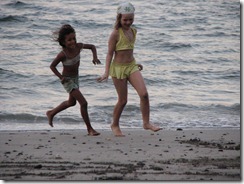
We are the only white family on that beach along with a bunch of few locals. The place is dominated with kids and their number keeps growing daily. Our fame is spreading quickly Uśmiech  One day the boys brought one of their sisters, Cecil, so that little Ania had somebody to play with as well.
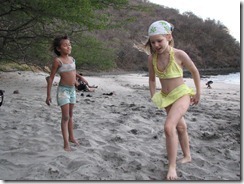
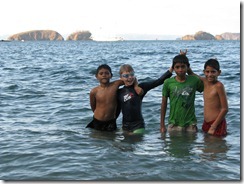
IMG_1513_thumbIMG_1495_thumb

The local kids are already sorry we are leaving soon. They have additional motivation to study in English.

Who knows, maybe one day they will play soccer again somewhere in the world?

IMG_1586_thumb1

Opublikowano Costa Rica, English | Otagowano , | Dodaj komentarz

Futbol zbliża

2 marzec, 2011

Zaczęło się to kilka dni temu w trakcie naszej popołudniowej sjesty na plaży po zakończeniu szkoły domowej dzieci i załatwieniu codziennych obowiązków.

Dzieci są niesamowicie kreatywne i nigdy się nie nudzą. Mimo to, zobaczywszy kilku miejscowych chłopców grających w piłkę na plaży Wojtuś zapytał mnie jak poprosić po hiszpańsku “czy może z nimi zagrać”?  Łamiąc się ze swoim wstydem i powtarzając/pytając po raz czterdziesty “jak to się mówi?” w końcu zbliżył się do nich. Oni, widząc, że się zbliża, sami go zapytali czy chce się przyłączyć. Reszta potoczyła się już spontanicznie. Piłka nożna ma w swej prostocie jakąś magię, która jednoczy wokół siebie, często sobie odległych ludzi. Choć bywają też kraje, z których jeden niedługo odwiedzimy, w których piłka może być raczej powodem konfliktu, co świetnie opisał Kapuściński w “Wojnie Futbolowej”.

IMG_1611

Wracając do dzieci, zaczęło się od niewinnego kopania. Potem, aby się ochłodzić wspólne nurkowanie w Pacyfiku i cała masa niezliczonych zabaw na plaży jak zbieranie małych krabów w muszelkach, rzucanie się piachem,  stanie na głowie, “zanurzanie” głowy w piachu na czas itd.

IMG_1509IMG_1563IMG_1619IMG_1664

Chętnie włączyłem się do tej integracji dzieci, pomagając przede wszystkim w komunikacji po hiszpańsku oraz opowiadając tym biednym lecz radosnym dzieciom o Polsce i w ogóle o świecie. Po latach nieużywania hiszpańskiego, jest to też dla mnie świetna lekcja konwersacji. Jednym słowem, win-win.

IMG_1477IMG_1488

Na plaży, na którą chodzimy, jesteśmy jedyną białą rodziną obok kilku nielicznych grupek miejscowych. Dominują tam dzieci, których każdego dnia jest coraz więcej. Fama szybko sie roznosi Uśmiech Aby małej Ani nie było smutno, jednego dnia chłopcy przyprowadzili również siostrę jednego z nich, Cecil, z którą mogła się bawić mała Ania.
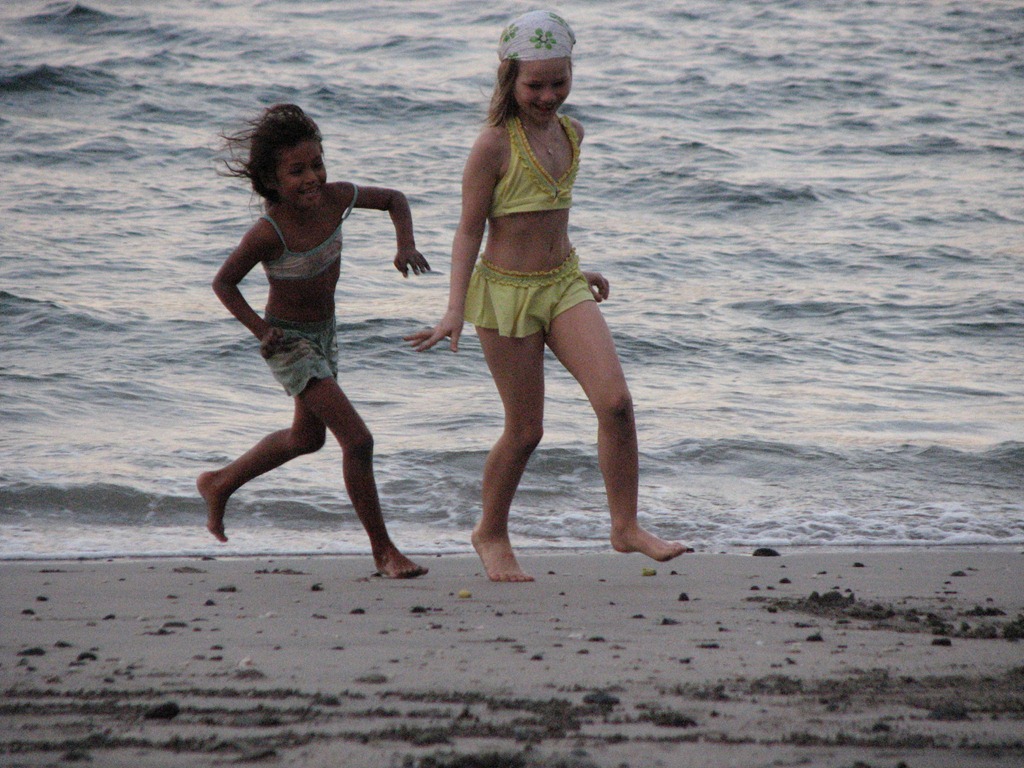
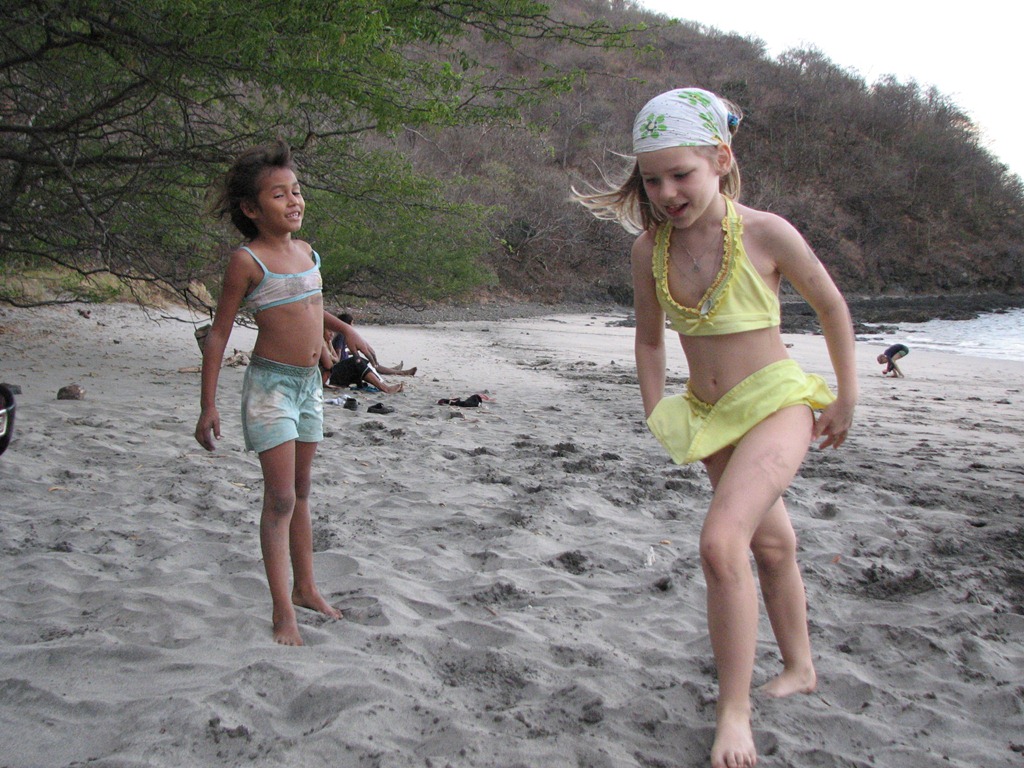
IMG_1513IMG_1495

Dzieciom miejscowym jest już smutno, że niedługo wyjeżdżamy. Mają, też dodatkową motywację, żeby jeszcze pilniej uczyć się angielskiego.

Kto wie, może kiedyś spotkają się znowu grając gdzieś ze sobą w piłkę?

IMG_1586

Opublikowano Costa Rica, Polish | Otagowano , | 1 komentarz

Eagle rebirth

26.02.2011

After 6 hours of travel from Monteverde we reached the Pacific coast of Costa Rica in a town called Playa del Coco. Tired of heat, we dumped our bagpacks and engaged in a conversation with the owner of the place we are staying at. In a very short period of time Steve shared with us the story of his life and a couple of others.

Among them there was an intriguing piece, we had never heard before, about the eagle’s rebirth process. According to that story, when an eagle reaches around 40 years, its mid-life point, it flies high up into the mountains to undergo a peculiar transformation process. Its feathers become thick and heavy so that it cannot fly anymore. For several days the eagle knocks it’s beak against a rock until it plucks it out
and loses all its old feathers. Then, while completely naked and unable to feed itself, it relies only on the fat accummulated in its body for the next 3 months. During that period it gains new feathers and beak and can soar again to continue the rest of its life.

Though told in a different context, we had only one association with that story, i.e. our sabbatical.

After some internet research we found out that it is unfortunately more of a legend than a real transformation process of an eagle based on the ornithology.

Anyway, we like the symbolism of that story a lot.

PS.

We just got back from the beach. While basking in the sand and admiring blue skies we spotted a few herons and an eagle Uśmiech.

Opublikowano Costa Rica, English | Otagowano , | Dodaj komentarz

Drugie życie Orła

26.02.2011

Po 6 godzinach podróży z Monteverde dotarliśmy na wybrzeże Kostaryki, od strony Pacyfiku, do miejscowości Playa del Coco. Zmęczeni upałem, zrzuciliśmy plecaki i zaczęliśmy rozmawiać z właścicielem miejsca, w którym się zatrzymaliśmy. W krótkim czasie poznaliśmy historię jego życia i mądrości, jakim hołduje.

Jedną z ciekawych historii, o jakiej słyszeliśmy od Steve’a była opowieść o odrodzeniu orła. Według niej, gdy orzeł osiąga mniej więcej połowę swojego życia, tj. 40 lat, udaje się wysoko w góry, gdzie przechodzi proces niezwykłej transformacji. Jego skrzydła stają tak ciężkie, że nie może już latać. Przez wiele dni orzeł wali swoim dziobem tak długo o skałę aż straci stare pióra i stary dziób.  W czasie tej przemiany orzeł nie może latać i żywić się czymkolwiek poza tłuszczem zgromadzonym w swoim ciele. Po kilku miesiącach wyrastają mu nowe pióra i dziób i może znowu szybować przed drugą połowę swojego życia.

Historia ta została opowiedziana w trochę innym kontekście, ale nam od razu skojarzyła się z naszym sabbaticalem.

Po kilku poszukiwaniach w internecie, okazało się, że ta historia o odrodzeniu orła nie do końca wydaje się być zgodna z ornitologią i należy raczej do legend.

Tak czy inaczej, nam bardzo się spodobała.

Dopisek:

Wróciliśmy z plaży. Leżąc na piasku czuliśmy jak przyjemnie wygrzewa nasze kości. Niebo urzekało błękitem. Nad głowami latały ptaki. Raz przeleciał heron (czapla), a raz orzeł Uśmiech.

Opublikowano Costa Rica, Polish | Otagowano , | 1 komentarz

First Mass

Feb 28 , 2011

Yesterday we attended our first Sunday Mass away from home. Like many other things in Central America, it is a unique experience for us, people from colder parts of the world.

I already had somewhat similar experience by visiting a few latino churches in US, yet here we experienced it all as a family and in full original version. Here are a few observations:

  • religious songs are sung generally in a very joyful and dancing way, e.g Gloria was sung in three different rythyms, waltz, polka and merengue. The song during the Eucharist sounded definitely like a Cha, Cha.
    Besides, everybody was singing and during chorus sections of each song there was universal clapping.Our kids were taken aback at first wondering for the first 15 minutes if they were really in a church. Big Ania was moved seeing others so emotional about meeting God.
  • For “Sign of Peace”, generally all the congragation for about 5 minutes, including the priest, walked around the whole church hugging and kissing each other.
     
  • because of scorching heat (around  33 Celsius) the church was full of working fans of different kinds
  • the people serving during the Mass are 100% female – i.e. altar girls
  • one more nice custom, which is also widely practiced in the US, i.e. inviting people cebrating their birthdays during the following week in front of the alter and singing a song for them by the whole congragation

Overall, two dominant descriptors of the experience were Joy and Heat.

I am looking forward to experiencing more of such a spirituality during the next 3 months in Latin America.

IMG_1055_thumb

Opublikowano Costa Rica, English | Otagowano , | Dodaj komentarz